The Ultimate Guide: Traveling from Canada to Shanghai, China in 2026
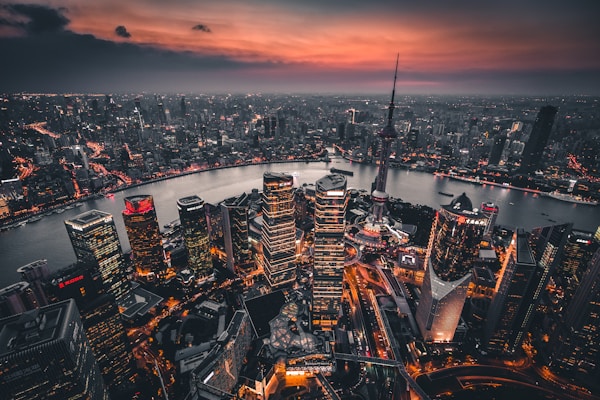
The stunning Shanghai skyline featuring the iconic Oriental Pearl Tower and modern skyscrapers along the Huangpu River
Table of Contents
- Introduction: Why Shanghai Should Be Your Next Destination
- Game-Changing Visa-Free Policy for Canadians
- Planning Your Trip: When to Go and What to Expect
- Getting There: Flights from Canada to Shanghai
- Where to Stay: Best Areas and Hotels
- Getting Around: Shanghai's Transportation System
- Top Attractions: Must-See Places in Shanghai
- Food Guide: What and Where to Eat
- Payment Methods: How to Pay in Shanghai
- Cultural Tips and Etiquette
- Practical Information: Language, Safety, and More
- Sample Itineraries: 3, 5, and 7-Day Plans
- Conclusion: Making the Most of Your Shanghai Adventure
1. Introduction: Why Shanghai Should Be Your Next Destination
Shanghai, the Pearl of the Orient, stands as one of the most captivating cities in the world—a mesmerizing blend of ancient Chinese traditions and cutting-edge modernity. For Canadian travelers, there has never been a better time to explore this dynamic metropolis. With the introduction of visa-free travel in 2026, the barriers to experiencing Shanghai's magic have virtually disappeared, opening up unprecedented opportunities for adventure, cultural immersion, and unforgettable experiences.
As China's largest city and global financial hub, Shanghai offers an extraordinary tapestry of experiences that few destinations can match. Picture yourself standing on the historic Bund, watching the sun set behind the futuristic skyline of Pudong, where some of the world's tallest buildings pierce the clouds. Imagine wandering through the narrow lanes of the French Concession, where plane trees create a canopy over charming cafes and boutiques housed in 1920s architecture. Envision savoring authentic xiaolongbao (soup dumplings) at a bustling street-side restaurant, or ascending to the observation deck of the Shanghai Tower—the world's second-tallest building—for a bird's-eye view of this sprawling metropolis of 26 million people.

The historic Bund waterfront promenade showcasing colonial-era architecture with modern Pudong skyline in the background
Shanghai is a city of contrasts and contradictions, where Buddhist temples sit in the shadow of glass-and-steel towers, where elderly residents practice tai chi in parks while young professionals rush to work in the latest fashion. It's a city where you can shop at luxury boutiques on Nanjing Road, explore centuries-old water towns just outside the city limits, and experience some of the world's most innovative cuisine—all in a single day.
For Canadians, Shanghai offers a fascinating counterpoint to our own urban experiences. While cities like Toronto and Vancouver are multicultural hubs, Shanghai provides an immersive experience in Chinese culture, language, and lifestyle. The city's efficient metro system rivals anything in North America, its food scene is both authentic and adventurous, and its blend of historical preservation and rapid development offers lessons in urban planning and cultural continuity.
This comprehensive guide is designed specifically for Canadian travelers planning their first—or next—trip to Shanghai. Whether you're a young backpacker seeking adventure, a family looking for cultural enrichment, a foodie eager to explore authentic Chinese cuisine, or a business traveler wanting to maximize limited free time, this guide will provide everything you need to know. We'll cover the practical essentials—from flights and accommodation to payment methods and transportation—as well as the experiential highlights that will make your trip truly memorable.
With over 10,000 words of detailed information, insider tips, and practical advice, this guide draws on the latest travel resources, official government information, and real traveler experiences to help you navigate Shanghai with confidence. By the end of this guide, you'll be ready to book your flights, plan your itinerary, and embark on an adventure that will expand your horizons and create memories to last a lifetime.
2. Game-Changing Visa-Free Policy for Canadians
One of the most significant developments for Canadian travelers in 2026 has been China's introduction of visa-free entry for Canadian passport holders. This policy, which took effect on February 17, 2026, represents a dramatic shift in China-Canada relations and has made traveling to Shanghai exponentially easier and more affordable.
Understanding the Visa-Free Policy
Under the new policy, Canadian citizens holding ordinary passports can enter mainland China without a visa for stays of up to 30 days. This applies to travel for tourism, business meetings, family visits, and transit purposes. The policy is valid through December 31, 2026, with strong indications that it will be extended into 2027 and beyond, given its success in boosting tourism and business exchanges.
Visa-Free Entry Requirements for Canadians
| Requirement | Details |
|---|---|
| Passport Validity | Must have at least 6 months validity remaining from date of entry |
| Maximum Stay | 30 days per entry |
| Permitted Activities | Tourism, business meetings, family visits, transit |
| Entry Points | Any air, land, or sea port in China |
| Multiple Entries | Allowed through December 31, 2026 |
| Cost | Free (saves approximately CAD $180 visa fee) |
| Processing Time | Immediate upon arrival (no advance application needed) |
This policy eliminates the previous requirement to apply for a visa at a Chinese consulate, which involved submitting documents, paying fees, and waiting for processing. The savings in both time and money are substantial—the standard tourist visa previously cost around CAD $180 and required several days to process, plus the inconvenience of visiting a consulate in person or mailing your passport.
What You Need to Enter China Visa-Free
While you don't need a visa, you should still prepare the following documents for immigration:
- Valid Canadian Passport: Ensure it has at least six months of validity remaining from your planned entry date. Check the expiration date well in advance of your trip.
- Return or Onward Ticket: Immigration officials may ask to see proof that you plan to leave China within 30 days. Have your return flight confirmation readily accessible on your phone or printed out.
- Accommodation Details: While not always requested, it's wise to have your hotel booking confirmation or the address where you'll be staying in Shanghai.
- Sufficient Funds: Be prepared to demonstrate that you have adequate financial means to support yourself during your stay, though this is rarely checked for tourists.
Important Limitations and Considerations
While the visa-free policy is generous, there are some important limitations to be aware of:
- 30-Day Maximum: You cannot extend your stay beyond 30 days under the visa-free policy. If you plan to stay longer, you'll need to apply for a proper visa before traveling.
- No Employment: The visa-free entry does not permit you to work in China. If you're traveling for business, you can attend meetings and conferences, but you cannot engage in paid employment.
- Mainland China Only: The policy applies to mainland China. Hong Kong and Macau have separate entry requirements, though Canadians can also visit these regions visa-free for up to 90 days.
- Policy Expiration: The current policy is set to expire on December 31, 2026. While it's expected to be renewed, check the official Chinese embassy website before booking travel for 2027 or beyond.
According to the Embassy of the People's Republic of China in Canada, this policy represents a significant step in facilitating people-to-people exchanges between Canada and China. The move has been welcomed by the Canadian travel industry and has already resulted in a substantial increase in bookings to Chinese destinations, with Shanghai being the most popular choice.
3. Planning Your Trip: When to Go and What to Expect
Best Time to Visit Shanghai
Shanghai experiences four distinct seasons, each offering different advantages for travelers. Understanding the city's climate will help you pack appropriately and plan activities that align with the weather conditions.
Shanghai Weather by Season
| Season | Months | Temperature Range | Characteristics | Pros | Cons |
|---|---|---|---|---|---|
| Spring | March-May | 10-25°C (50-77°F) | Mild, occasional rain | Comfortable weather, flowers blooming, fewer crowds | Unpredictable weather, pollen allergies |
| Summer | June-August | 25-35°C (77-95°F) | Hot, humid, rainy | Vibrant nightlife, outdoor activities, long days | Extreme heat and humidity, typhoons, crowds |
| Autumn | September-November | 15-25°C (59-77°F) | Clear, dry, comfortable | Best weather, clear skies, ideal for sightseeing | Higher prices, more tourists |
| Winter | December-February | 2-10°C (36-50°F) | Cold, damp, occasional snow | Fewer tourists, lower prices, festive atmosphere | Cold and damp, some attractions less appealing |
The Optimal Time: According to travel experts at Wanderin China, the absolute best time to visit Shanghai is late October to early November. During this period, you'll experience clear, sunny skies, comfortable temperatures in the low 20s°C (around 70°F), and low humidity. The autumn foliage adds beautiful colors to the city's parks and tree-lined streets, and the pleasant weather makes walking tours and outdoor activities particularly enjoyable.
Spring (April-May) is the second-best option, offering mild temperatures and blooming flowers throughout the city's gardens and parks. However, spring weather can be unpredictable, with occasional rain showers and temperature fluctuations.
What to Pack for Shanghai
Your packing list will depend heavily on when you visit, but here are season-specific recommendations:
Spring (March-May):
- Layered clothing: light jacket, long-sleeve shirts, t-shirts
- Comfortable walking shoes (waterproof recommended)
- Compact umbrella or light raincoat
- Scarf for cooler evenings
- Allergy medication if you're sensitive to pollen
Summer (June-August):
- Lightweight, breathable fabrics (cotton, linen)
- Shorts, t-shirts, sundresses
- Sunscreen (SPF 50+), sunglasses, wide-brimmed hat
- Umbrella (for both sun and sudden rain)
- Comfortable sandals and walking shoes
- Light cardigan for over-air-conditioned indoor spaces
Autumn (September-November):
- Light layers: long-sleeve shirts, light sweater or fleece
- Comfortable walking shoes
- Light jacket for evenings
- Jeans or long pants
- Scarf for style and warmth
Winter (December-February):
- Warm coat or down jacket
- Sweaters and thermal underlayers
- Scarf, gloves, and warm hat
- Waterproof boots or shoes
- Umbrella for occasional rain or snow
Year-Round Essentials:
- Universal power adapter (China uses Type A, C, and I plugs, 220V)
- Portable charger for your phone
- VPN app (installed before arrival) for accessing Western websites
- Comfortable walking shoes (you'll walk a lot!)
- Basic first-aid kit and any prescription medications
- Photocopies of your passport and important documents
4. Getting There: Flights from Canada to Shanghai
Shanghai is served by two major airports: Shanghai Pudong International Airport (PVG), which handles most international flights, and Shanghai Hongqiao International Airport (SHA), which primarily serves domestic routes and some regional international flights. For travelers from Canada, you'll almost certainly arrive at Pudong Airport, located about 30 kilometers east of downtown Shanghai.
Direct Flight Options
Air Canada operates direct flights from Toronto Pearson International Airport (YYZ) to Shanghai Pudong (PVG), making it the most convenient option for Canadian travelers. The flight time is approximately 14-15 hours westbound and 13-14 hours eastbound (due to prevailing winds). According to Air Canada, these flights typically depart Toronto in the afternoon or evening and arrive in Shanghai the following evening (local time).
Direct flights offer several advantages:
- No layovers or connections to worry about
- Reduced total travel time
- Lower risk of lost luggage
- Less jet lag due to single time zone adjustment
Connecting Flight Options
If you're traveling from other Canadian cities or looking for more affordable options, connecting flights are widely available. Common connection points include:
- Vancouver (YVR): Connections through Tokyo, Seoul, or Hong Kong with airlines like ANA, Japan Airlines, Korean Air, or Cathay Pacific
- San Francisco or Los Angeles: United Airlines and other carriers offer connections through major US hubs
- Seattle: Delta and partner airlines provide connections to Shanghai
- Asian Hubs: Tokyo (Narita or Haneda), Seoul (Incheon), Hong Kong, Taipei, and Singapore all offer excellent connections to Shanghai
Connecting flights can sometimes be significantly cheaper than direct options, with prices ranging from CAD $600 to $1,500 depending on the season, booking time, and routing. However, factor in the additional travel time (typically 18-24 hours total) and the potential for delays or missed connections.
Typical Flight Costs from Canada to Shanghai (2026)
| Route Type | Economy Class | Premium Economy | Business Class |
|---|---|---|---|
| Direct (Toronto-Shanghai) | CAD $1,000-$1,800 | CAD $2,500-$3,500 | CAD $5,000-$8,000 |
| One Connection | CAD $600-$1,200 | CAD $1,800-$2,800 | CAD $3,500-$6,000 |
| Multiple Connections | CAD $500-$1,000 | CAD $1,500-$2,500 | CAD $3,000-$5,000 |
Note: Prices vary significantly based on booking time, season, and availability. Book 2-3 months in advance for best rates.
Booking Tips for Best Prices
- Book in Advance: Aim to book 6-8 weeks before departure for optimal pricing
- Be Flexible with Dates: Flying mid-week (Tuesday-Thursday) is often cheaper than weekends
- Avoid Peak Seasons: Chinese New Year (late January/February), Golden Week (early October), and summer holidays see higher prices
- Use Flight Comparison Tools: Check Google Flights, Skyscanner, and Kayak to compare prices across airlines
- Consider Positioning Flights: Sometimes flying to Vancouver or Seattle first, then catching an Asian carrier, can save money
- Join Airline Loyalty Programs: Air Canada Aeroplan miles can significantly reduce costs for frequent travelers
From Pudong Airport to Downtown Shanghai
Once you land at Pudong Airport, you have several options to reach downtown Shanghai:
1. Maglev Train + Metro (Fastest): The Shanghai Maglev is the world's fastest commercial train, reaching speeds of 431 km/h (268 mph). It covers the 30km distance to Longyang Road Station in just 8 minutes. From there, transfer to Metro Line 2 to reach your final destination. Total cost: ¥50 (Maglev) + ¥3-10 (Metro) = approximately CAD $10-12. Total time: 45-60 minutes including metro transfer.
2. Metro Only (Most Economical): Metro Line 2 connects Pudong Airport directly to downtown, with stops at major areas like Lujiazui, People's Square, and Jing'an Temple. Cost: ¥7-10 (approximately CAD $1.50-2). Time: 60-90 minutes depending on your destination.
3. Taxi (Most Convenient): Official taxis are readily available outside the arrivals hall. To downtown Shanghai costs approximately ¥150-200 (CAD $30-40) and takes 45-75 minutes depending on traffic. Always use official taxis from the designated taxi stands and ensure the meter is running.
4. Airport Shuttle Bus: Multiple bus routes connect the airport to various parts of the city. Cost: ¥20-30 (CAD $4-6). Time: 60-90 minutes. Good option if your hotel is near a bus route.
5. Private Transfer or Ride-Hailing: Book through your hotel or use DiDi (China's Uber equivalent). Cost: ¥200-300 (CAD $40-60). Most convenient for families or those with lots of luggage.
5. Where to Stay: Best Areas and Hotels
Shanghai is a vast city, and choosing the right neighborhood for your accommodation can significantly impact your experience. Each area offers distinct characteristics, advantages, and price points.
The charming tree-lined streets of the French Concession, one of Shanghai's most popular neighborhoods for visitors
Best Neighborhoods for First-Time Visitors
1. The Bund / East Nanjing Road (Huangpu District)
This is the heart of tourist Shanghai and the most iconic area to stay. You'll be within walking distance of the Bund waterfront, Nanjing Road shopping street, and People's Square.
Pros: Central location, excellent metro access, iconic views, walking distance to major attractions
Cons: Can be touristy and crowded, higher prices, less authentic local atmosphere
Best For: First-time visitors, short stays, those who want to be in the center of the action
Price Range: CAD $100-400+ per night
Recommended Hotels:
- The Peninsula Shanghai (Luxury) - Historic elegance on the Bund
- Fairmont Peace Hotel (Luxury) - Art Deco landmark with jazz bar
- The Bund Riverside Hotel (Mid-range) - Great value with Bund views
- Captain Hostel (Budget) - Popular backpacker spot near the Bund
2. French Concession (Xuhui/Huangpu Districts)
The French Concession is Shanghai's most charming neighborhood, characterized by tree-lined streets, 1920s architecture, boutique shops, cafes, and a more relaxed, walkable atmosphere.
Pros: Charming atmosphere, excellent restaurants and cafes, good metro access, safer and quieter than downtown
Cons: Farther from major tourist sites, can be expensive, some areas lack English signage
Best For: Couples, food lovers, those seeking authentic Shanghai lifestyle, longer stays
Price Range: CAD $80-350 per night
Recommended Hotels:
- Capella Shanghai (Luxury) - Converted 1930s mansion
- Pudi Boutique Hotel (Mid-range) - Stylish design in historic building
- Quintet Bed & Breakfast (Budget) - Cozy guesthouse with local charm
3. Jing'an District
A modern, upscale area with excellent shopping, dining, and nightlife. Home to Jing'an Temple and numerous international hotels and restaurants.
Pros: Central location, great shopping and dining, excellent metro connections, modern amenities
Cons: Less historic character, can be expensive, busy and commercial
Best For: Business travelers, shoppers, those who prefer modern conveniences
Price Range: CAD $90-400 per night
4. Pudong (Lujiazui Financial District)
The futuristic side of Shanghai, home to the iconic skyline, Shanghai Tower, and Oriental Pearl Tower.
Pros: Modern hotels, stunning views, close to Shanghai Tower and aquarium, good for business travelers
Cons: Less walkable, fewer dining options, can feel sterile, farther from historic sites
Best For: Business travelers, families visiting Shanghai Disneyland (easier access), skyline enthusiasts
Price Range: CAD $100-500+ per night
Accommodation Booking Tips
- Book Early: Shanghai hotels fill up quickly, especially during peak seasons and major events
- Check Metro Access: Ensure your hotel is within 10-15 minutes walk of a metro station for easy transportation
- Read Recent Reviews: Check TripAdvisor, Booking.com, or Google reviews from recent guests
- Verify English Support: Confirm that hotel staff speak English if you don't speak Mandarin
- Consider Breakfast: Many hotels offer breakfast; this can be convenient and cost-effective
- International Chains vs. Local Hotels: International chains (Marriott, Hilton, etc.) offer familiar standards, while local hotels can provide more authentic experiences at better prices
6. Getting Around: Shanghai's Transportation System
Shanghai boasts one of the world's most extensive and efficient public transportation systems. With over 800 kilometers of metro lines, comprehensive bus networks, and readily available taxis and ride-hailing services, getting around the city is remarkably easy—even if you don't speak Mandarin.
Shanghai Metro System
The Shanghai Metro is the backbone of the city's transportation network and will be your primary means of getting around. According to China Travel, the system includes 20 lines and over 500 stations, making it the world's longest metro network by route length.
Operating Hours: Most lines run from approximately 5:30 AM to 11:00 PM daily, with trains arriving every 3-7 minutes during peak hours and every 5-10 minutes during off-peak times.
Fares: The metro uses a distance-based fare system. Prices range from ¥3 to ¥15 (approximately CAD $0.60-$3.00) depending on how far you travel. This makes it incredibly affordable compared to transportation in Canadian cities.
Shanghai Metro Map (2026)
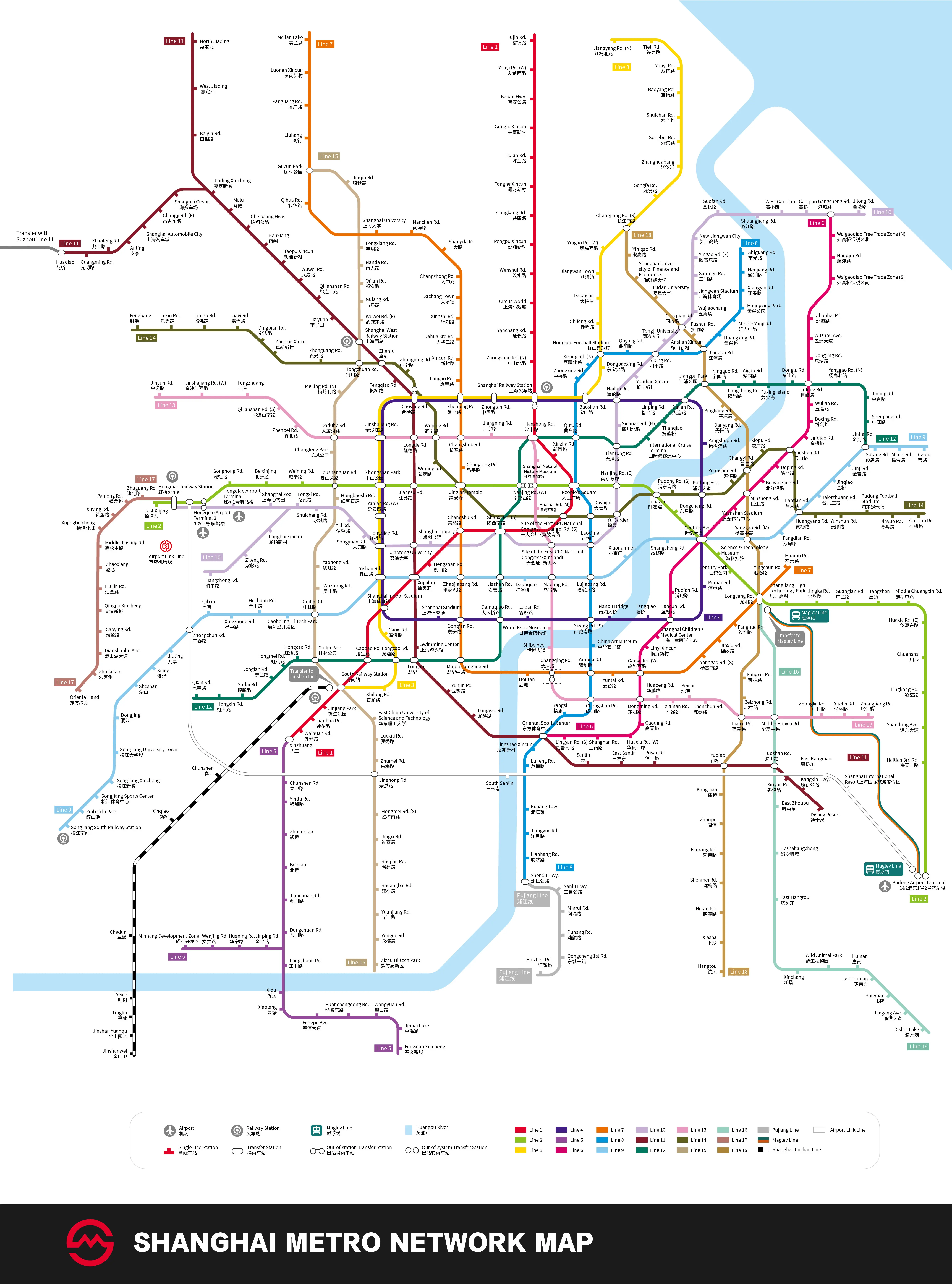
Complete Shanghai Metro map showing all lines and stations in English (Click to view full size)
Key Metro Lines for Tourists:
- Line 2 (Green): Connects Pudong Airport to downtown, passing through Lujiazui, People's Square, Jing'an Temple, and Hongqiao Airport. This is likely the line you'll use most.
- Line 1 (Red): Runs north-south through the city center, connecting Shanghai Railway Station, People's Square, and Xintiandi.
- Line 10 (Purple): Passes through the French Concession, Nanjing Road, and connects to Hongqiao Airport.
- Line 11 (Brown): Connects downtown to Shanghai Disneyland and several water towns.
How to Use the Metro
Option 1: Single-Journey Tickets
Purchase from automated ticket machines at any station. Machines have English language options. Select your destination, pay with cash or mobile payment, and receive a plastic token. Tap the token on the turnstile to enter, and insert it into the slot when exiting.
Option 2: Shanghai Public Transportation Card
Available at metro station service counters for a ¥20 deposit (refundable). Load money onto the card and tap to enter and exit. The card also works on buses and some taxis. Highly recommended for stays longer than 2-3 days.
Option 3: Mobile Payment
Download the "Metro Daduhui" app or use Alipay/WeChat Pay's metro function. Scan QR codes at turnstiles to enter and exit. This is the most convenient option if you've set up mobile payments (see Payment Methods section).
Metro Tips for Tourists
- Download Metro Apps: "Explore Shanghai" or "MetroMan" apps provide English navigation and real-time updates
- Avoid Rush Hours: 7:30-9:00 AM and 5:00-7:00 PM are extremely crowded
- Stand Right, Walk Left: On escalators, stand on the right side to allow others to pass on the left
- Security Checks: All bags go through X-ray machines at station entrances; have your bag ready
- Station Names: Learn to recognize your destination in Chinese characters, as announcements may not always be clear in English
- Transfer Stations: Some transfer stations require 5-10 minutes of walking between lines
Taxis and Ride-Hailing
Official Taxis: Shanghai has abundant official taxis in turquoise, yellow, or white colors. Starting fare is ¥14 for the first 3km, then ¥2.50 per kilometer. Taxis are metered and relatively affordable. However, few drivers speak English, so have your destination written in Chinese characters.
DiDi (Ride-Hailing): DiDi is China's equivalent to Uber and is extremely popular. Download the DiDi app before your trip and set it up with your payment method. The app has an English interface and automatically translates your destination. Prices are comparable to or slightly cheaper than taxis, and you can see the fare estimate before booking.
Taxi/DiDi Tips:
- Always use official taxis or verified ride-hailing apps
- Have your destination address in Chinese characters ready
- Take a photo of the taxi license plate before entering
- Request a receipt (fapiao) for your records
- Tipping is not expected or required in China
Buses
Shanghai has an extensive bus network with over 1,000 routes. Buses are cheap (¥2-3 per ride) but can be challenging for non-Chinese speakers. Unless you're comfortable with Chinese or staying long-term, stick to the metro for most travel.
Bicycles and E-Bikes
Bike-sharing services like Hellobike and Meituan Bike are popular in Shanghai. Download the app, scan a bike's QR code, and ride for ¥1-2 per 30 minutes. Great for short distances and exploring neighborhoods. However, Shanghai traffic can be chaotic, so exercise caution.
7. Top Attractions: Must-See Places in Shanghai
Shanghai offers an incredible variety of attractions, from historic temples and colonial architecture to futuristic skyscrapers and world-class museums. Here are the absolute must-see destinations for first-time visitors.
The Bund (Waitan)
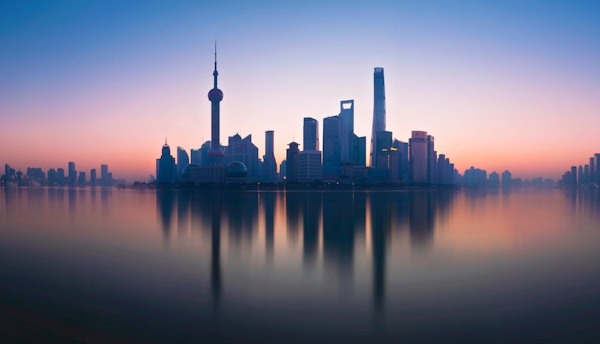
The Bund at night, showcasing the stunning contrast between colonial-era buildings and the futuristic Pudong skyline
The Bund is Shanghai's most iconic landmark—a 1.5-kilometer waterfront promenade along the Huangpu River. On one side, you'll see magnificent colonial-era buildings from the 1920s and 1930s, when Shanghai was known as the "Paris of the East." On the other side, across the river, rises the futuristic Pudong skyline with its space-age towers.
Best Time to Visit: Sunset and evening, when the Pudong skyline lights up spectacularly. The light show typically runs from 7:00-10:00 PM.
How to Get There: Metro Line 2 or 10 to East Nanjing Road Station, then walk 10 minutes east.
What to Do: Walk the promenade, take photos, visit the Bund History Museum, enjoy dinner at one of the rooftop restaurants with views, take a Huangpu River cruise.
Cost: Free to walk; river cruises cost ¥100-200 (CAD $20-40)
Yu Garden (Yuyuan)
This exquisite Ming Dynasty garden, built in 1559, is a masterpiece of classical Chinese garden design. With its rockeries, ponds, pavilions, and winding corridors, Yu Garden offers a peaceful escape from the modern city. The surrounding bazaar area features traditional architecture, shops selling souvenirs and snacks, and the famous Nanxiang Steamed Bun Restaurant.
Best Time to Visit: Early morning (8:00-9:00 AM) to avoid crowds
How to Get There: Metro Line 10 to Yuyuan Garden Station
Cost: ¥40 (CAD $8) entrance fee
Time Needed: 1-2 hours for the garden, plus time for the bazaar
Shanghai Tower
At 632 meters (2,073 feet), Shanghai Tower is the world's second-tallest building and China's tallest. The observation deck on the 118th floor offers breathtaking 360-degree views of Shanghai. On clear days, you can see for miles in every direction. The building's twisted design is an architectural marvel, and the world's fastest elevators will take you to the top in just 55 seconds.
Best Time to Visit: Late afternoon to watch the sunset and see the city transition from day to night
How to Get There: Metro Line 2 to Lujiazui Station, Exit 6
Cost: ¥180 (CAD $36) for observation deck
Tip: Book tickets online in advance to skip lines
The French Concession
This charming neighborhood was the French-administered area of Shanghai from 1849 to 1943. Today, it retains its European character with tree-lined streets, Art Deco villas, boutique shops, cafes, and restaurants. It's the perfect area for aimless wandering, discovering hidden cafes, vintage shops, and local life.
Key Streets to Explore:
- Fuxing Road: Leafy street with cafes and boutiques
- Xintiandi: Upscale shopping and dining area in restored Shikumen houses
- Tianzifang: Artsy alleyway complex with galleries, shops, and cafes
- Wukang Road: Historic street with beautiful villas and the iconic Wukang Mansion
How to Get There: Metro Line 1 to South Huangpi Road or Line 10 to Xintiandi Station
Cost: Free to explore; budget for cafes and shopping
Time Needed: Half day to full day
Jing'an Temple
This stunning Buddhist temple, originally built in 247 AD, stands in striking contrast to the modern skyscrapers surrounding it. The temple features golden roofs, intricate carvings, and a peaceful atmosphere despite its central location. It's one of Shanghai's most important religious sites and offers insight into Chinese Buddhism.
How to Get There: Metro Line 2 or 7 to Jing'an Temple Station
Cost: ¥50 (CAD $10)
Tip: Visit during morning prayers for a more authentic experience
Shanghai Museum
One of China's finest museums, the Shanghai Museum houses an extraordinary collection of ancient Chinese art, including bronzes, ceramics, calligraphy, paintings, jade, and furniture. The building itself is architecturally significant, designed to resemble an ancient Chinese bronze vessel. Best of all, admission is free.
How to Get There: Metro Line 1, 2, or 8 to People's Square Station
Cost: Free (reserve tickets online in advance)
Time Needed: 2-3 hours minimum
Nanjing Road
Shanghai's premier shopping street stretches for 5.5 kilometers from the Bund to Jing'an Temple. The eastern section (East Nanjing Road) is a pedestrian street filled with shops, restaurants, and neon lights—think Times Square meets Chinese shopping culture. It's touristy but worth experiencing, especially at night when it's brilliantly lit.
How to Get There: Metro Line 2 or 10 to East Nanjing Road Station
Cost: Free to walk; budget for shopping and dining
Zhujiajiao Water Town
For a taste of traditional Chinese water town life, take a day trip to Zhujiajiao, located about 50 kilometers west of Shanghai. This 1,700-year-old town features ancient bridges, canals, traditional architecture, and a slower pace of life. It's like stepping back in time.
How to Get There: Metro Line 17 to Zhujiajiao Station (about 1 hour from downtown)
Cost: Free to enter the town; ¥80 for combined ticket to attractions
Time Needed: Half day to full day
Additional Notable Attractions
- Oriental Pearl Tower: Iconic pink sphere tower with observation decks (¥220)
- Shanghai Disneyland: China's newest Disney park with unique attractions (¥399-599)
- Tianzifang: Artsy maze of alleyways with shops and cafes (free)
- Xintiandi: Upscale dining and shopping in restored Shikumen houses (free to explore)
- Jade Buddha Temple: Active Buddhist temple with jade Buddha statues (¥20)
- Shanghai World Financial Center: Skyscraper with observation deck (¥180)
- Propaganda Poster Art Centre: Fascinating collection of Communist-era posters (¥20)
- M50 Art District: Contemporary art galleries in former industrial buildings (free)
8. Food Guide: What and Where to Eat
Shanghai's food scene is one of the world's most exciting, offering everything from humble street food to Michelin-starred restaurants. Shanghainese cuisine is characterized by sweet and savory flavors, fresh seafood, and delicate cooking techniques. For Canadian visitors, the food will be one of the highlights of your trip.
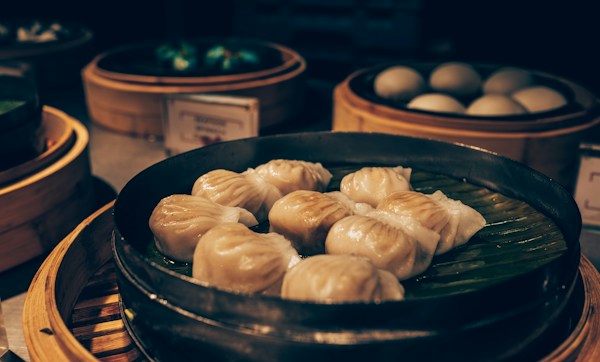
Xiaolongbao (soup dumplings) - Shanghai's most famous dish, filled with hot broth and pork
Must-Try Shanghai Dishes
1. Xiaolongbao (小笼包) - Soup Dumplings
Shanghai's most iconic dish. These delicate steamed dumplings are filled with pork and hot, flavorful broth. The proper technique: lift gently with chopsticks, place on your spoon, bite a small hole, sip the soup, then eat the dumpling. The most famous place is Din Tai Fung or Jia Jia Tang Bao.
n2. Sheng Jian Bao (生煎包) - Pan-Fried Soup Dumplings
Similar to xiaolongbao but pan-fried, giving them a crispy bottom and fluffy top. Filled with pork and soup. Try them at Yang's Fry Dumplings or Xiao Yang Sheng Jian.
3. Hong Shao Rou (红烧肉) - Red-Braised Pork Belly
Melt-in-your-mouth pork belly braised in soy sauce, sugar, and spices. Rich, sweet, and incredibly tender. This is Shanghai comfort food at its finest.
n4. Cong You Ban Mian (葱油拌面) - Scallion Oil Noodles
Simple but delicious: springy noodles tossed with fragrant scallion oil and soy sauce. A Shanghai breakfast staple.
5. Xiao Long Xia (小龙虾) - Spicy Crayfish
Especially popular in summer, these spicy, garlicky crayfish are eaten with your hands. Messy but delicious. Best enjoyed with cold beer.
n6. Tang Cu Xiao Pai (糖醋小排) - Sweet and Sour Spare Ribs
Shanghai-style sweet and sour ribs are less saucy than Western versions, with a perfect balance of sweet and tangy flavors.
7. You Bao Xia (油爆虾) - Oil-Braised Prawns
Fresh river prawns cooked in oil with soy sauce and sugar. The shells are edible and add extra flavor.
n8. Da Zha Xie (大闸蟹) - Hairy Crab
A seasonal delicacy (September-November), these freshwater crabs from Yangcheng Lake are prized for their sweet meat and rich roe. Expensive but worth trying.
Where to Eat: Restaurant Recommendations by Budget
Shanghai Restaurant Guide
| Category | Restaurant Name | Specialty | Price Range (per person) | Location |
|---|---|---|---|---|
| Budget | Yang's Fry Dumplings | Sheng jian bao | ¥20-40 (CAD $4-8) | Multiple locations |
| Budget | Jia Jia Tang Bao | Xiaolongbao | ¥30-50 (CAD $6-10) | Huanghe Road |
| Budget | Lanzhou Lamian | Hand-pulled noodles | ¥25-40 (CAD $5-8) | Everywhere |
| Mid-Range | Din Tai Fung | Xiaolongbao, Taiwanese | ¥100-150 (CAD $20-30) | Multiple locations |
| Mid-Range | Jesse Restaurant | Shanghainese classics | ¥80-120 (CAD $16-24) | Tianping Road |
| Mid-Range | Lost Heaven | Yunnan cuisine | ¥150-250 (CAD $30-50) | The Bund |
| High-End | Ultraviolet by Paul Pairet | Multi-sensory dining | ¥6,000+ (CAD $1,200+) | Secret location |
| High-End | Fu He Hui | Vegetarian fine dining | ¥500-800 (CAD $100-160) | Yuyuan Road |
Food Streets and Markets
Huanghe Road Food Street: Famous for xiaolongbao and local snacks. Can be touristy but authentic options exist.
Wujiang Road: Street food paradise with everything from grilled skewers to bubble tea.
Yunnan Road Food Street: Mix of restaurants and street vendors, popular with locals.
Qibao Ancient Town: Traditional snacks and street food in a historic water town setting.
Dining Tips for Canadian Visitors
- Tipping Not Required: Unlike Canada, tipping is not customary in China. Service charges are sometimes included in upscale restaurants.
- Sharing is Caring: Chinese dining is family-style. Order multiple dishes to share rather than individual meals.
- Tea is Free: Most restaurants provide complimentary tea. It's safe to drink.
- Chopstick Etiquette: Don't stick chopsticks vertically in rice (resembles incense at funerals) or point them at people.
- Spice Levels: Shanghai food is generally not spicy, but Sichuan and Hunan restaurants can be very hot. Ask for "bu la" (not spicy) if needed.
- Food Safety: Stick to busy restaurants with high turnover. Avoid raw vegetables and unpeeled fruits from street vendors.
- Dietary Restrictions: Vegetarian options exist but may contain fish sauce or oyster sauce. "Wo chi su" means "I eat vegetarian."
9. Payment Methods: How to Pay in Shanghai
China is one of the world's most cashless societies, and Shanghai is at the forefront of this digital revolution. Understanding payment methods before you arrive will make your trip much smoother.
The Mobile Payment Revolution
In Shanghai, mobile payments via Alipay and WeChat Pay dominate. From street food vendors to luxury hotels, QR code payments are everywhere. Many small vendors don't accept cash at all. Fortunately, both platforms now support foreign credit cards, making them accessible to international visitors.
Setting Up Alipay for Tourists
Alipay is the most tourist-friendly option and widely accepted throughout Shanghai. According to Just China Tours, setting up Alipay with a foreign card is straightforward:
Step-by-Step Setup:
- Download the Alipay app before leaving Canada (available on iOS and Android)
- Register with your phone number and email
- Go to "Me" → "Bank Cards" → "Add International Card"
- Add your Visa, Mastercard, American Express, JCB, or Diners Club card
- Complete verification (may require passport photo)
- You're ready to pay via QR code scanning
Setting Up WeChat Pay
WeChat Pay is integrated into the WeChat messaging app, which is China's most popular social media platform. The setup process is similar to Alipay:
- Download WeChat app
- Create an account and verify your phone number
- Go to "Me" → "Services" → "Wallet"
- Add your international credit card
- Complete identity verification
Note: WeChat Pay's foreign card support is slightly more limited than Alipay's, and some merchants may not accept foreign cards through WeChat Pay. Alipay is generally the better choice for tourists.
Credit Cards
International credit cards (Visa, Mastercard, American Express) are accepted at:
- International hotels and hotel chains
- High-end restaurants and shopping malls
- Major tourist attractions
- Airport shops and services
However, many local restaurants, small shops, and street vendors do NOT accept credit cards. This is why setting up mobile payment is essential.
Cash (Chinese Yuan/RMB)
While China is largely cashless, it's wise to carry some cash as a backup:
- Where to Exchange: Banks, hotels, or exchange counters at the airport. Banks offer the best rates.
- How Much to Carry: ¥500-1,000 (CAD $100-200) should be sufficient as backup
- ATMs: Widely available; look for Bank of China, ICBC, or China Construction Bank. Most accept foreign cards but charge fees (¥15-30 per withdrawal)
- Denominations: ¥100 notes are most common. Smaller vendors may have trouble breaking ¥100 bills, so request smaller denominations when exchanging
Payment Method Comparison
| Method | Acceptance | Setup Difficulty | Best For |
|---|---|---|---|
| Alipay | 95% of merchants | Easy | Everything - most recommended |
| WeChat Pay | 90% of merchants | Moderate | Backup to Alipay |
| Credit Card | 30% of merchants | None needed | Hotels, malls, tourist sites |
| Cash | 70% of merchants | None needed | Emergency backup |
Important Payment Tips
- Set Up Before You Go: Download and configure Alipay and WeChat Pay before leaving Canada, as some features may be harder to access in China
- VPN Considerations: Some banking apps may not work properly with VPNs active. Disable your VPN when making payments if you encounter issues
- Transaction Limits: Foreign cards on Alipay typically have daily limits (around ¥5,000-10,000). Plan accordingly for large purchases
- Currency Conversion: Payments are processed in RMB and converted by your card issuer. Check your bank's foreign transaction fees before traveling
- Receipts: Request "fapiao" (official receipts) for tax purposes or expense reports
10. Cultural Tips and Etiquette
Understanding Chinese cultural norms will enhance your experience and help you avoid unintentional faux pas. Shanghai is cosmopolitan and forgiving of foreign visitors, but showing cultural awareness is always appreciated.
General Etiquette
Greetings: A slight nod or handshake is appropriate. Bowing is not common in China (that's more Japanese). Address people by their title and surname unless invited to use their first name.
Personal Space: Shanghai is crowded, and personal space norms differ from Canada. People may stand closer than you're used to, and pushing in crowds is common. Don't take it personally.
Queueing: Queue discipline is improving but still inconsistent. Be assertive but polite when waiting in line.
Saving Face: Avoid causing embarrassment or confrontation in public. If there's a problem, address it calmly and privately. Raising your voice or showing anger causes everyone to "lose face."
Gift Giving: If invited to someone's home, bring a small gift (fruit, tea, or something from Canada). Avoid clocks, white flowers, or gifts in sets of four (associated with death). Present and receive gifts with both hands.
Dining Etiquette
- Wait to be seated and shown where to sit (seating arrangements matter)
- The host typically orders for everyone and pays the bill
- Try everything offered, but you don't have to finish everything
- Bones and shells can be placed on the table or in a separate dish
- Slurping noodles is acceptable and shows enjoyment
- Don't stick chopsticks upright in rice (funeral symbolism)
- Toasting is common; "ganbei" means "bottoms up" (you can sip instead if you prefer)
Temple and Religious Site Etiquette
- Dress modestly (cover shoulders and knees)
- Remove hats when entering temples
- Ask permission before photographing monks or religious ceremonies
- Walk clockwise around temples and stupas
- Don't point your feet at Buddha statues
- Speak quietly and turn off phone ringers
Things That May Surprise Canadian Visitors
Smoking: Smoking is still common in China, though banned in many indoor public spaces in Shanghai. Outdoor smoking is widespread.
Spitting: While less common in modern Shanghai, you may still encounter people spitting in public. It's considered impolite but not as taboo as in Canada.
Staring: In less touristy areas, foreigners may attract stares or photo requests, especially from elderly people or children. It's curiosity, not rudeness.
Noise Levels: Chinese culture is generally louder than Canadian culture. Loud conversations, phone calls on speaker, and general noise are normal.
Bargaining: Expected at markets and with street vendors, but not in established shops or restaurants. Start at 50-60% of the asking price.
Toilet Paper: Bring tissues or toilet paper with you. Many public restrooms don't provide it. Also, be prepared for squat toilets in older areas.
11. Practical Information: Language, Safety, and More
Language
Mandarin Chinese is the official language of Shanghai, though many locals also speak Shanghainese dialect. English proficiency varies widely:
Where English is Spoken:
- International hotels and high-end restaurants
- Major tourist attractions
- Younger people in service industries
- Expat-frequented areas like the French Concession
Where English is Limited:
- Taxis and local restaurants
- Markets and small shops
- Older generation
- Government offices
Essential Chinese Phrases
| English | Pinyin | Chinese Characters |
|---|---|---|
| Hello | Nǐ hǎo | 你好 |
| Thank you | Xièxiè | 谢谢 |
| Excuse me / Sorry | Duìbùqǐ | 对不起 |
| How much? | Duōshǎo qián? | 多少钱? |
| I don't understand | Wǒ bù míngbái | 我不明白 |
| Where is...? | ...zài nǎlǐ? | ...在哪里? |
| Toilet | Cèsuǒ | 厕所 |
| Help! | Jiùmìng! | 救命! |
Translation Apps
Google Translate: Download the Chinese language pack for offline use before arriving. The camera translation feature is invaluable for reading menus and signs. Note: Google services are blocked in China, so download everything before arrival or use a VPN.
Pleco: Excellent Chinese-English dictionary app with handwriting recognition and camera translation.
Baidu Translate: Works in China without VPN and has good voice translation features.
Internet and VPN
China's "Great Firewall" blocks many Western websites and services, including:
- Google (including Gmail, Maps, and Search)
- Facebook, Instagram, Twitter, WhatsApp
- YouTube, Netflix
- Many news websites
VPN Solution: Install a reliable VPN before leaving Canada. Popular options include ExpressVPN, NordVPN, or Astrill. Test it before your trip. Note: VPN use is technically restricted in China, but tourists generally don't face issues.
Chinese Alternatives:
- WeChat for messaging (works without VPN)
- Baidu Maps for navigation (better than Google Maps in China)
- Weibo for social media
Safety
Shanghai is one of the world's safest major cities. Violent crime against tourists is extremely rare. However, exercise normal precautions:
Common Scams to Avoid:
- Tea House Scam: Friendly locals invite you for tea, then present an exorbitant bill. Politely decline invitations from strangers.
- Art Student Scam: "Students" invite you to view their art exhibition, then pressure you to buy overpriced artwork.
- Fake Monks: People dressed as monks asking for donations are usually scammers. Real monks don't solicit money.
- Taxi Scams: Use official taxis or DiDi. Ensure the meter is running. Avoid unmarked "black taxis."
- Counterfeit Money: Check large bills (¥100) for watermarks and security features, especially when receiving change.
Emergency Numbers:
- Police: 110
- Ambulance: 120
- Fire: 119
- Canadian Consulate in Shanghai: +86 21 3279 2800
Health
Vaccinations: No special vaccinations are required for Shanghai. Ensure routine vaccinations are up to date.
Travel Insurance: Highly recommended. Ensure it covers medical evacuation and COVID-19 related issues.
Tap Water: Not safe to drink. Drink bottled water or boiled water provided by hotels.
Pharmacies: Widely available. Watson's and Mannings are English-friendly chains. Bring prescriptions for any medications.
Air Quality: Shanghai's air quality varies. Download an air quality app (like AirVisual) to check daily levels. Consider bringing a mask for high pollution days.
Hospitals for Foreigners:
- Shanghai United Family Hospital (English-speaking, Western standards, expensive)
- Parkway Health (international clinic chain)
- Huashan Hospital Worldwide Medical Center (public hospital with international department)
Electricity and Plugs
China uses 220V, 50Hz electricity. Plug types are A, C, and I. Bring a universal adapter. Most modern electronics (phones, laptops) work with 110-240V, but check your devices.
Time Zone
Shanghai is in China Standard Time (CST), which is UTC+8. Time difference from Canada:
- Eastern Time (Toronto): +13 hours (12 hours during daylight saving)
- Pacific Time (Vancouver): +16 hours (15 hours during daylight saving)
Note: China does not observe daylight saving time.
12. Sample Itineraries: 3, 5, and 7-Day Plans
3-Day Shanghai Itinerary (First-Time Visitors)
Day 1: Classic Shanghai
- Morning: Yu Garden and surrounding bazaar (2-3 hours)
- Lunch: Xiaolongbao at Jia Jia Tang Bao
- Afternoon: Walk Nanjing Road to the Bund (2-3 hours)
- Evening: Bund sunset and light show, dinner at M on the Bund
Day 2: Modern Shanghai
- Morning: Shanghai Tower observation deck (2 hours)
- Lunch: Lujiazui area
- Afternoon: Shanghai Museum at People's Square (2-3 hours)
- Evening: Explore Xintiandi, dinner and drinks
Day 3: Cultural Shanghai
- Morning: Jing'an Temple (1 hour)
- Late Morning: French Concession walking tour (3 hours)
- Lunch: Café in French Concession
- Afternoon: Tianzifang shopping and exploring (2 hours)
- Evening: Acrobatics show or farewell dinner
5-Day Shanghai Itinerary (Comprehensive)
Days 1-3: Follow the 3-day itinerary above
Day 4: Water Town Day Trip
- Full day: Zhujiajiao Water Town (take Metro Line 17)
- Explore ancient bridges, canals, and traditional architecture
- Lunch: Local restaurants in the water town
- Evening: Return to Shanghai, casual dinner
Day 5: Art and Shopping
- Morning: M50 Art District (2 hours)
- Lunch: Nearby café
- Afternoon: Shopping at Nanjing West Road or Huaihai Road (3 hours)
- Evening: Rooftop bar with skyline views, farewell dinner
7-Day Shanghai Itinerary (In-Depth)
Days 1-5: Follow the 5-day itinerary above
Day 6: Shanghai Disneyland
- Full day: Shanghai Disneyland (take Metro Line 11)
- Arrive at opening for shortest lines
- Don't miss Tron Lightcycle Power Run and Pirates of the Caribbean
Day 7: Hidden Gems and Relaxation
- Morning: Jade Buddha Temple (1.5 hours)
- Late Morning: Propaganda Poster Art Centre (1 hour)
- Lunch: Local restaurant
- Afternoon: Fuxing Park for people-watching and relaxation
- Evening: Shanghai Circus World or final shopping
Budget Estimates
| Category | Budget (per day) | Mid-Range (per day) | Luxury (per day) |
|---|---|---|---|
| Accommodation | CAD $30-60 | CAD $80-150 | CAD $200-500+ |
| Food | CAD $15-30 | CAD $40-80 | CAD $100-200+ |
| Transportation | CAD $5-10 | CAD $15-30 | CAD $40-80 |
| Attractions | CAD $10-20 | CAD $30-50 | CAD $60-100 |
| Shopping/Misc | CAD $10-20 | CAD $30-60 | CAD $100-300+ |
| Total per Day | CAD $70-140 | CAD $195-370 | CAD $500-1,180+ |
Note: These estimates don't include international flights. Add CAD $1,000-1,800 for round-trip flights from Toronto.
13. Conclusion: Making the Most of Your Shanghai Adventure
Shanghai is a city of endless discovery—a place where 5,000 years of Chinese history collide with a vision of the future. For Canadian travelers, it offers experiences that are simultaneously familiar and utterly foreign, comfortable and challenging, traditional and cutting-edge.
The introduction of visa-free travel in 2026 has made this incredible city more accessible than ever before. What once required weeks of planning, visa applications, and bureaucratic hurdles can now be as simple as booking a flight and packing your bags. This is a golden opportunity for Canadians to experience one of the world's most dynamic cities without the traditional barriers to entry.
As you plan your trip, remember that Shanghai rewards both careful planning and spontaneous exploration. Yes, you should book your flights and accommodation in advance, set up your mobile payment apps, and download your VPN. But also leave room for serendipity—for stumbling upon a hidden dumpling shop, for getting lost in the lanes of the French Concession, for striking up a conversation with a local who wants to practice their English.
Final Tips for Success
Before You Go:
- Download and set up Alipay, WeChat, VPN, translation apps, and offline maps
- Notify your bank and credit card companies of your travel dates
- Make copies of your passport and important documents
- Learn a few basic Chinese phrases
- Research your hotel's address in Chinese characters
- Purchase travel insurance
- Check the weather forecast and pack accordingly
During Your Trip:
- Stay flexible—plans will change, and that's okay
- Try foods you've never heard of
- Talk to locals (many young people want to practice English)
- Take the metro everywhere—it's fast, cheap, and an experience itself
- Walk as much as possible to discover hidden gems
- Don't over-schedule—leave time to simply observe and absorb
- Take photos, but also put the camera down and be present
- Keep an open mind about cultural differences
Cultural Immersion Tips:
- Visit a wet market early in the morning to see local life
- Join locals doing tai chi in a park at dawn
- Eat where locals eat—if there's a line, it's probably good
- Take a cooking class to learn about Chinese cuisine
- Attend a tea ceremony to understand Chinese tea culture
- Visit during a festival (Chinese New Year, Mid-Autumn Festival) if possible
Beyond Shanghai
If you have extra time, consider day trips or extensions to nearby destinations:
- Suzhou (30 minutes by high-speed train): Classical Chinese gardens and canals, known as the "Venice of the East"
- Hangzhou (1 hour by train): Beautiful West Lake, tea plantations, and historic temples
- Nanjing (1.5 hours by train): Former capital with rich history and the impressive Sun Yat-sen Mausoleum
- Huangshan (Yellow Mountain) (4 hours by train): Spectacular mountain scenery that inspired countless Chinese paintings
Sustainable and Responsible Travel
As you explore Shanghai, consider your impact:
- Support local businesses and restaurants rather than international chains
- Respect cultural sites and follow posted rules
- Minimize plastic use—bring a reusable water bottle and shopping bag
- Be mindful when photographing people; always ask permission
- Learn about and respect Chinese customs and traditions
- Use public transportation instead of taxis when possible
Staying Connected with Home
While you're exploring Shanghai, staying in touch with family and friends in Canada is important:
- Use WeChat for messaging (works without VPN)
- WhatsApp, iMessage, and Facebook Messenger require VPN
- Consider purchasing a Chinese SIM card for data (available at airport)
- Most hotels offer free WiFi
- Time difference means early morning or late evening are best for calls home
The Shanghai Experience
What makes Shanghai truly special isn't just the iconic skyline or the historic Bund—it's the energy, the constant motion, the sense that you're witnessing history being made in real-time. It's the grandmother practicing calligraphy in the park, the street vendor perfecting soup dumplings using techniques passed down through generations, the young entrepreneur launching a tech startup in a renovated warehouse.
Shanghai is a city that honors its past while racing toward the future. It's a place where you can visit a 400-year-old garden in the morning and ascend to the 118th floor of a supertall skyscraper in the afternoon. Where you can eat a breakfast that hasn't changed in centuries and dinner that represents the cutting edge of molecular gastronomy.
For Canadians, Shanghai offers a window into a different way of organizing society, a different approach to urban life, and a different vision of what a 21st-century city can be. It challenges assumptions, broadens perspectives, and creates memories that last a lifetime.
Your Shanghai Story
Every traveler's Shanghai experience is unique. Some fall in love with the food, spending their days hunting down the perfect xiaolongbao. Others are captivated by the architecture, photographing everything from Art Deco masterpieces to space-age towers. Some find meaning in the temples and gardens, connecting with ancient Chinese philosophy and aesthetics. Others thrive on the energy of the streets, the constant motion, the sense of being at the center of something important.
Whatever draws you to Shanghai, approach it with curiosity, respect, and openness. Be prepared for challenges—language barriers, cultural differences, occasional frustrations with technology or bureaucracy. But also be ready for moments of unexpected beauty, surprising connections, and experiences that shift your understanding of the world.
The visa-free policy won't last forever—or at least, we can't be certain it will. While it's expected to continue beyond 2026, policies can change. If you've been thinking about visiting China, now is the time. The barriers are lower than they've ever been, and Shanghai is more accessible, more international, and more welcoming to foreign visitors than at any point in its history.
So book that flight. Download those apps. Pack your bags. Shanghai is waiting, and it has stories to tell, flavors to share, and experiences to offer that you simply can't find anywhere else on Earth.
Welcome to Shanghai. Welcome to one of the world's most extraordinary cities. Your adventure begins now.
Additional Resources
Official Resources:
- Embassy of the People's Republic of China in Canada
- Consulate General of Canada in Shanghai
- Shanghai Municipal Government
Travel Planning:
Cultural Information:
Sources and References
This guide was compiled using information from the following sources:
- Air Canada - Flights to Shanghai
- VisaHQ - China Visa-Free Policy
- Chinese Embassy - Visa-Free Entry FAQs
- East China Trip - Top Things to Do in Shanghai
- Wanderin China - Shanghai Weather Guide
- Travel of China - Where to Stay in Shanghai
- China Travel - Shanghai Metro Guide
- My Shanghai Guide - Food and Drink
- Just China Tours - Payment Guide 2026
- Pay in China Guide - Foreigners Update